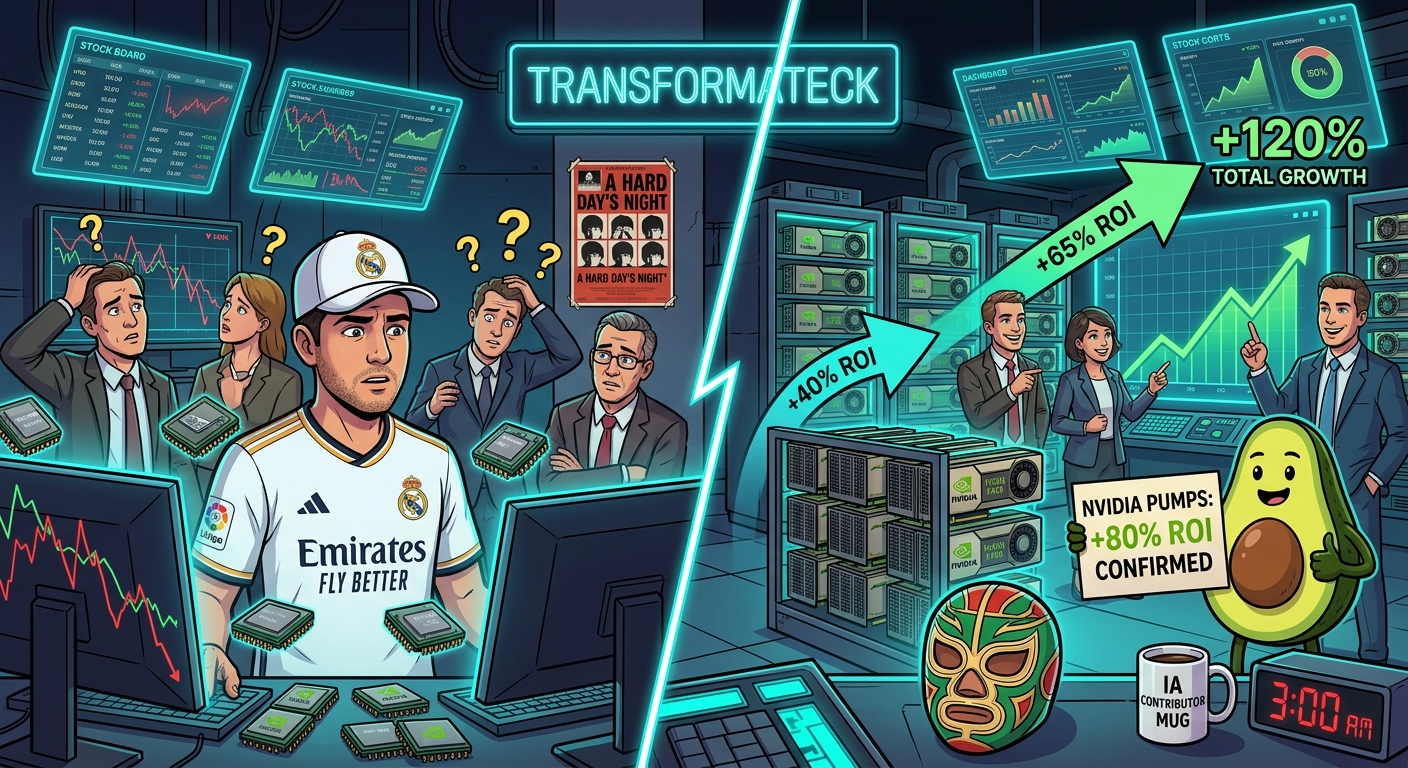
NVIDIA RTX Spark and PAIR: Enterprise-Grade AI is Finally Coming to Your PC
🚀 THE EXPLOSIVE HOOK Imagine waking up tomorrow and realizing you don't need to rent computing power from OpenAI, Google Cloud, or Amazon anymore. Your laptop—yes, YOUR laptop—can run enterprise-lev...

🚀 THE EXPLOSIVE HOOK
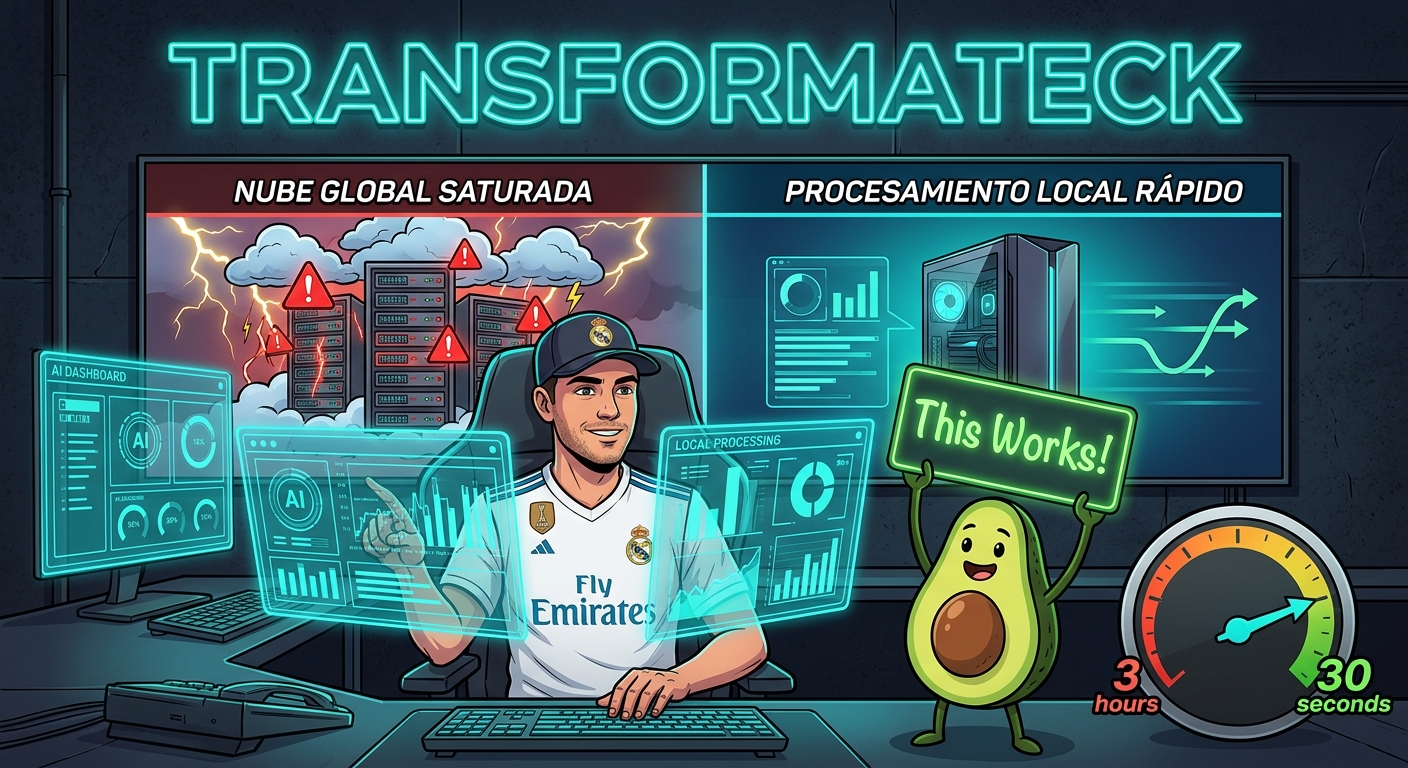
Imagine waking up tomorrow and realizing you don't need to rent computing power from OpenAI, Google Cloud, or Amazon anymore. Your laptop—yes, YOUR laptop—can run enterprise-level AI models locally, offline, and with zero latency. Sounds like science fiction? Welcome to reality. NVIDIA just dropped the RTX Spark at IFA 2026, and it's about to flip the entire AI infrastructure game on its head.
⚡ WHAT JUST HAPPENED (THE HARD CONTEXT)
Let's cut through the noise: NVIDIA presented the RTX Spark, a brand-new generation of processors engineered to bring advanced local AI capabilities directly to consumer PCs—no cloud required, no internet dependency, no monthly cloud bills bleeding your budget dry.
But here's where it gets really interesting. Alongside RTX Spark comes PAIR (Partner AI Runtime), an entire ecosystem of developer tools designed to make integration of local AI into enterprise applications stupidly easy. We're talking about a full infrastructure play that transforms how businesses think about AI deployment.
Why should you care? Because for the first time, the playing field is genuinely leveling. Small and medium-sized businesses can now implement AI solutions that previously required massive server farms and six-figure cloud contracts. That's not a minor detail—that's a complete paradigm shift.
💡 WHY THIS ACTUALLY MATTERS (IMPLICATIONS)
Let's break down what RTX Spark and PAIR actually unlock:
1. LATENCY DIES: Cloud processing introduces lag. Every API call adds delay. With local AI, your models run on your hardware, eliminating network latency entirely. Real-time processing becomes genuinely real.
2. PRIVACY IS BACK ON THE MENU: Sensitive data—customer records, medical documents, financial information—can now be processed completely locally. Your data never leaves your device. In an era where data breaches are basically guaranteed, this is a nuclear-powered security upgrade.
3. CLOUD COST COLLAPSE: No more paying per API call, per token, or per compute hour. You buy the hardware once. That's it. For businesses processing massive volumes of data, this isn't just a cost reduction—it's a complete financial restructuring.
4. REAL-TIME APPLICATIONS EXPLODE: Think offline chatbots that actually work, document processing that doesn't depend on connectivity, computer vision analysis that happens instantly without cloud round-trips. The possibilities expand exponentially.
For enterprises specifically, this means deploying AI solutions for customer service automation, real-time data analytics, and confidential document processing without the massive infrastructure investment that cloud solutions demand. Mid-market companies can now compete on AI implementation without needing the budget of Fortune 500s.
🎯 THE MARKET POSITION (NVIDIA'S POWER PLAY)
Here's what makes this move particularly brilliant: NVIDIA is directly confronting the cloud AI hegemony. OpenAI, Google Cloud, and other providers built their empires on the assumption that AI computation happens in centralized cloud infrastructure. RTX Spark dismantles that assumption.
NVIDIA isn't just releasing a chip—they're releasing a philosophy. Decentralized AI. Distributed intelligence. The inference doesn't happen in someone else's data center; it happens on your hardware, under your control.
This is competitive nuclear deterrence against cloud dependency. And it's positioned to democratize AI in a way that actually means something.
🔮 WHAT COMES NEXT
The real story isn't just about RTX Spark existing—it's about what developers and businesses will build with it. The PAIR ecosystem is the enabler. It's designed to make local AI integration so frictionless that developers won't even think twice about building for local-first architectures.
Expect a cascade of applications: enterprise productivity tools that work offline, industry-specific AI solutions that don't require cloud contracts, and consumer applications that finally put processing power back in users' hands.
The cloud providers aren't going away—they'll adapt. But their monopoly on AI inference just cracked wide open.
💪 THE BOTTOM LINE
RTX Spark and PAIR represent one of those rare technological inflection points. The infrastructure for advanced AI is transitioning from centralized cloud to distributed local processing. That's not incremental—that's transformational.
For developers, the opportunity window is open. For businesses tired of cloud vendor lock-in, the escape route just appeared. For consumers, the next wave of AI applications will be faster, more private, and far more powerful than anything we've seen so far.
The AI revolution is leaving the cloud and moving into your pocket. And NVIDIA just handed everyone the key.
🎪 WANT TO DIVE DEEPER INTO AI INNOVATION?
Join Transformateck on WhatsApp—600+ members already building in public, breaking down enterprise AI strategies, and staying ahead of plays like RTX Spark before they hit mainstream news. We're aiming for 1,000 members who actually understand where technology is heading. Link in bio.
#RTXSpark #LocalAI #NVIDIA #AIInfrastructure #PrivacyTech
Kevin Garza
Miembro de la comunidad de IA de Transformateck, compartiendo conocimiento y experiencias para impulsar la inteligencia artificial en Latinoamérica.